Have you been let down by “traditional” rehab methods?
Discover new brain-based modalities that treat the root cause of your pain.
“I didn’t trust my own body.”

I grew up in regional Queensland, obsessed with rugby league. But repeated injuries eroded my trust in my body and cut short my dream of playing NRL. Years later, a traumatic accident forced me to confront the fears and frustrations I’d been carrying. That pain became my pivot.
In 2013, I began my journey into rehabilitation, movement science, and therapeutic bodywork. Through surgeries, setbacks, and rebuilds, I gained not only clinical expertise but also a deep understanding of both physical and emotional pain.
Now, as a parent living with old injuries, I know how vital resilience is—not just for myself, but for my family. With over 10,000 hours coaching athletes and 8,000+ hands-on treatments, I’ve helped people break free from pain, rebuild trust in their bodies, and move with confidence again.
By combining neurology with body work, I offer a unique blueprint for rehabilitation that restores balance and lasting freedom to the brain and body.

My Mission
To help you restore balance in your body so you can show your kids what health, resilience and a life with purpose looks like.
Neurokinetic Therapy (NKT)
-
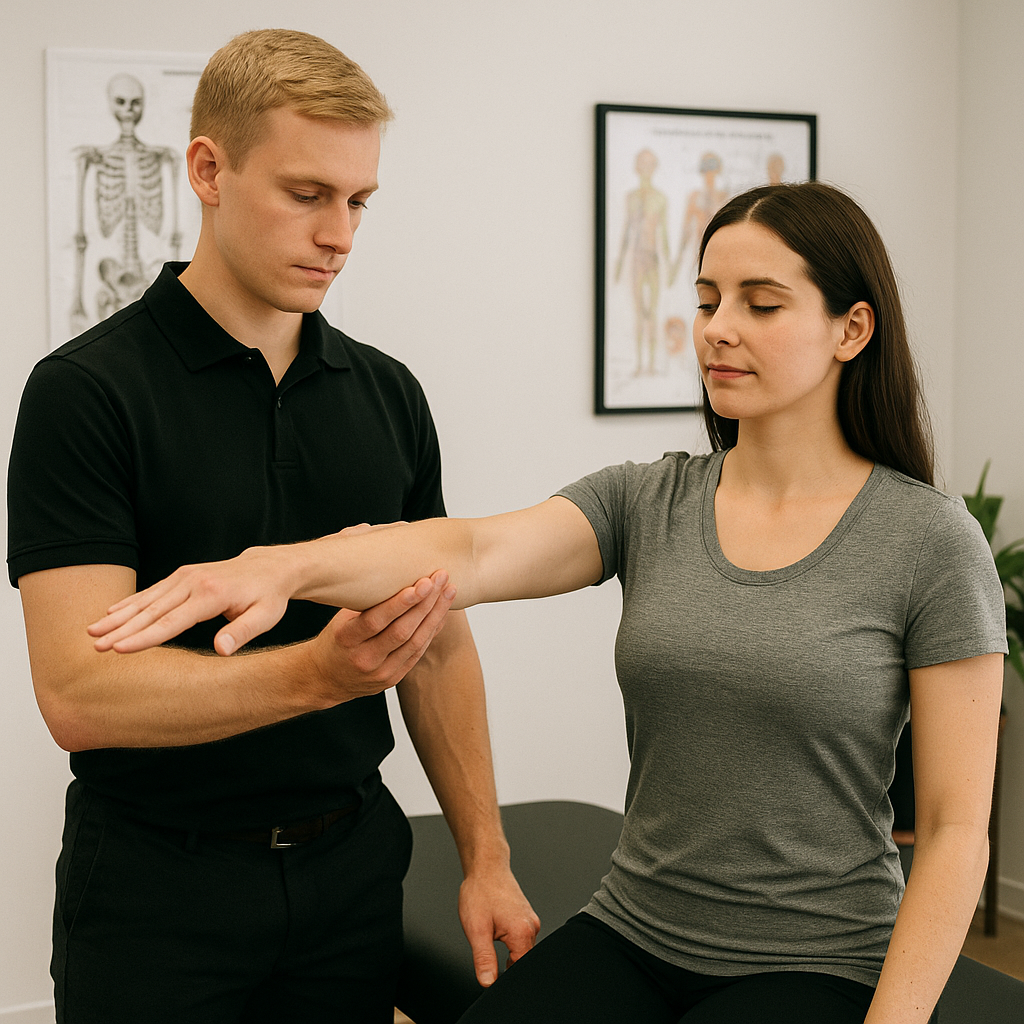
NeuroKinetic Therapy (NKT) is a cutting-edge assessment and treatment system that identifies why your body is compensating.
Through precise muscle testing, NKT uncovers the hidden patterns driving pain, tension, and movement dysfunction, then retrains your brain to move efficiently again.
It’s not just treatment, it’s a neurological reset that creates strength, stability, and long-lasting change.
-
NKT uses a system of precise muscle testing to find compensations in the body.
If a muscle tests weak, it’s often being inhibited. If another muscle tests strong, it may be compensating. After identifying these patterns, the practitioner releases the overworking tissue and activates the inhibited one—creating a new, more efficient pattern in the brain. -
NKT is effective for a wide range of issues, including:
Chronic or recurring pain
Movement restrictions
Posture-related tension
Sports injuries
Back, neck, hip, shoulder, and knee pain
Muscle imbalances
Breathing dysfunction
Compensation patterns from old injuries or surgeries
-
A typical session includes:
History & movement assessment
Precise muscle testing to identify compensation patterns
Manual release techniques for overactive muscles
Activation drills for inhibited muscles
Retesting to confirm the brain has updated the pattern
Personalised homework to reinforce the new pattern
-
Many people feel improvements immediately after their first session.
However, long-standing compensations may require several sessions to fully unwind. Expect clearer movement, less tension, and improved stability session by session.
Are you still in pain?
Read about the services we offer and how they can support you!
Craniosacral Therapy (CST)
-
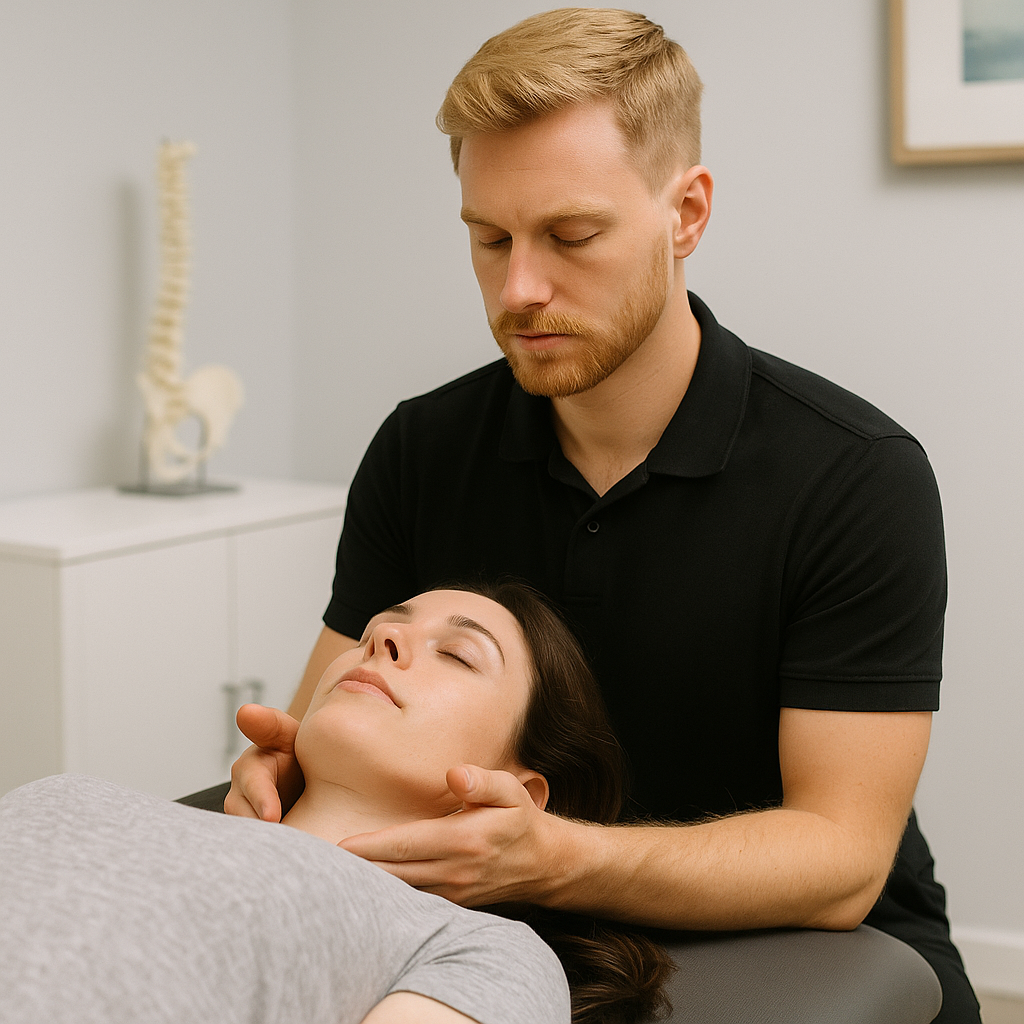
CranioSacral Therapy (CST) is a gentle, nervous-system therapy that releases deep tension through light touch. By improving the flow of craniosacral fluid and calming the brain and spinal cord, CST helps your body shift out of stress, reduce pain, and restore balance.
It’s a powerful way to unwind chronic tension, regulate your system, and support recovery from headaches, jaw issues, trauma, and sensory overload.
-
CST uses light touch (typically no more than the weight of a 5-cent piece) to assess restrictions in the cranial bones, spine, fascia, and surrounding tissues.
By releasing these restrictions, the nervous system shifts from a stressed, protective state into a more relaxed, regulated state promoting better healing, mobility, and emotional well-being.
-
CranioSacral Therapy is used for a wide range of physical and sensory issues, including:
Headaches & migraines
Neck tension
TMJ dysfunction
Stress & anxiety
Tinnitus
Concussion symptoms
Whiplash
Chronic pain
Sleep disturbances
Postural strain
Nervous system dysregulation
Breathing dysfunction
Digestive tension (via vagal nerve influence)
-
A typical session includes:
Discussion & nervous system history
Gentle palpation along the spine, cranial bones, jaw, diaphragm, sacrum, and fascia
Subtle release techniques to improve flow and reduce tension
Neurological calming through the vagus nerve and cranial rhythm
Integration time to help the body settle
Optional take-home strategies for continued regulation
Most sessions are performed fully clothed.
-
Most clients report:
Deep relaxation
Reduced tension
Clearer thinking
Less pain
Improved sleep
Better breathing
Less irritability or overwhelm
Some people feel subtly tired or “floaty” for a few hours as their system integrates.
Remedial Massage Therapy (RMT)
-
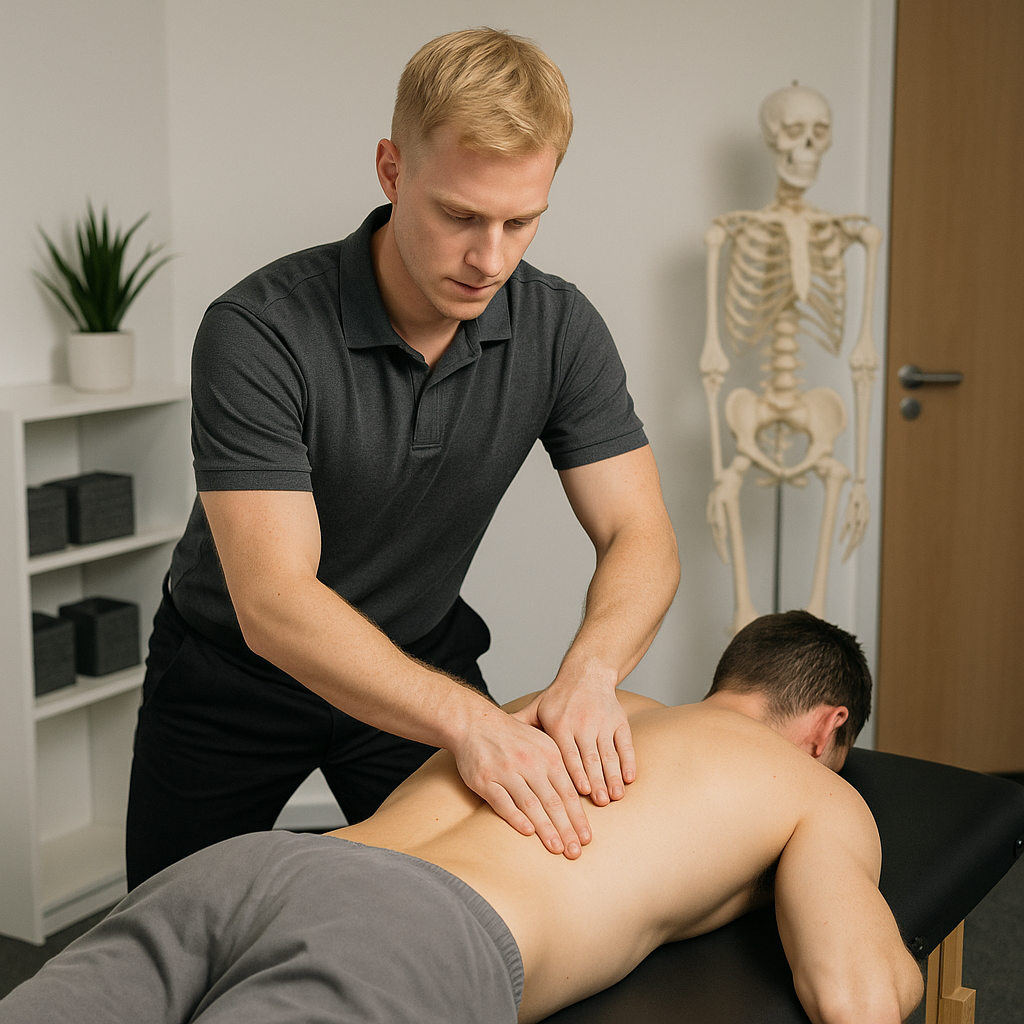
Remedial Massage Therapy is a targeted, therapeutic form of bodywork designed to release tension, improve mobility, and support recovery.
In my clinic, RMT goes beyond muscle work — it focuses on how the central nervous system creates and maintains muscle tone, and how the body compensates around stress, posture, and previous injuries. -
Traditional massage treats tight muscles.
My approach treats the reason those muscles are tight.
Instead of just releasing tight muscles, your session looks at:
Neural tone (how the brain holds tension)
Compensation patterns
Protective bracing
Breath mechanics
Stress load & nervous-system state
This makes each session more specific, longer-lasting, and aligned with deeper regulation, not just short-term relief.
-
A CNS-centred RMT session includes:
Brief assessment of movement & tension patterns
Targeted soft-tissue techniques to unwind overactive areas
Myofascial + trigger point techniques
Nervous system down-regulation works as required
Breathing cues & positional release
Integration & re-testing to confirm changes
You leave feeling looser, calmer, and more connected to how your body moves.
-
RMT is effective for a wide range of musculoskeletal and neural-tension issues, including:
Chronic muscle tightness
Neck & shoulder tension
Low back pain
Headaches & jaw stiffness
Postural strain
Stress-related bracing
Glute/hip tightness
Sciatic-type tension
Repetitive strain issues
Training overload
Movement compensation patterns
-
This is ideal for people who:
Are chronically tight or sore
Feel “stuck” in tension
Train or work heavily
Have ongoing stress
Want long-term change, not temporary relief
Are dealing with compensation patterns
Prefer a blend of light to medium pressure + correction
Client Testimonials
Frequently Asked Questions
-
Your first session includes a detailed full-body assessment to identify compensation patterns, movement dysfunctions, and nervous system imbalances. We'll also begin hands-on treatment and provide corrective strategies specific to your needs.
-
Wear comfortable clothing that allows you to move freely — shorts and a singlet are ideal. Avoid restrictive or bulky clothes, as movement testing and hands-on work may involve various body regions.
-
No referral is needed. You can book directly via the website. However, we’re happy to collaborate with your GP, physio, or coach if you're already working with other professionals.
-
Yes. After your assessment, we begin treatment straight away. Each session includes both assessment and intervention — we don’t waste time.
-
It varies depending on your condition and goals. Some clients experience significant change in just 1–2 sessions, while others benefit from a structured plan across several weeks or months. We’ll outline your expected timeline after your initial assessment.
-
Yes — we commonly see shoulder issues, back and neck pain, hip and knee problems, chronic tension, and post-surgical compensations. Rather than treating the "site" of pain, we look at the movement system to correct the cause.
-
Yes, dry needling is available as part of your session when clinically appropriate. It’s one of several tools we may use to help release tension and restore proper neuromuscular function.
-
In most cases, yes — but we may adjust your program depending on how your body responds. You’ll receive guidance on how to reinforce the new patterns post-treatment.
-
Yes. We provide personalised strength and corrective exercise plans to bridge the gap between treatment and performance, with optional programming support.
-
We accept HICAPS, EFTPOS, credit/debit cards, and cash. Private health rebates may be available depending on your provider and your coverage.

Learn about your body